

What B2B PPC lead generation really means
Understanding B2B PPC Lead Generation
PPC B2B lead generation is about getting new business leads using pay-per-click ads. In B2B, companies want to connect with other businesses, not just any online users. It’s different from selling products right away like in e-commerce. With B2B, it’s about starting a conversation and building a relationship. The goal is for people to fill out a form, schedule a call, or download a guide. These actions show interest and help the business follow up and try to make a sale.
PPC ads appear on search engines and websites. When someone clicks an ad, they go to a landing page. If the page is clear and helpful, visitors might share their contact information. This is the lead businesses want. Unlike selling online instantly, B2B PPC focuses on growing a list of interested companies or people who could become customers.
Key Differences from E-Commerce PPC
E-commerce PPC is often about getting a quick sale. In B2B, the sales cycle is longer. It may take weeks or months before a lead becomes a customer. That means PPC ads need to be more specific and offer clear value. Decision-makers in companies might be looking for solutions, not just products. B2B PPC campaigns use words and images that speak to their needs and roles.
Tracking is also different. Instead of counting purchases, B2B marketers track form fills, phone calls, and downloads. These actions help measure if the campaign is working. Since the buying process can be complex, good tracking helps businesses see which ads bring the best leads.
The Role of Targeting and Qualification
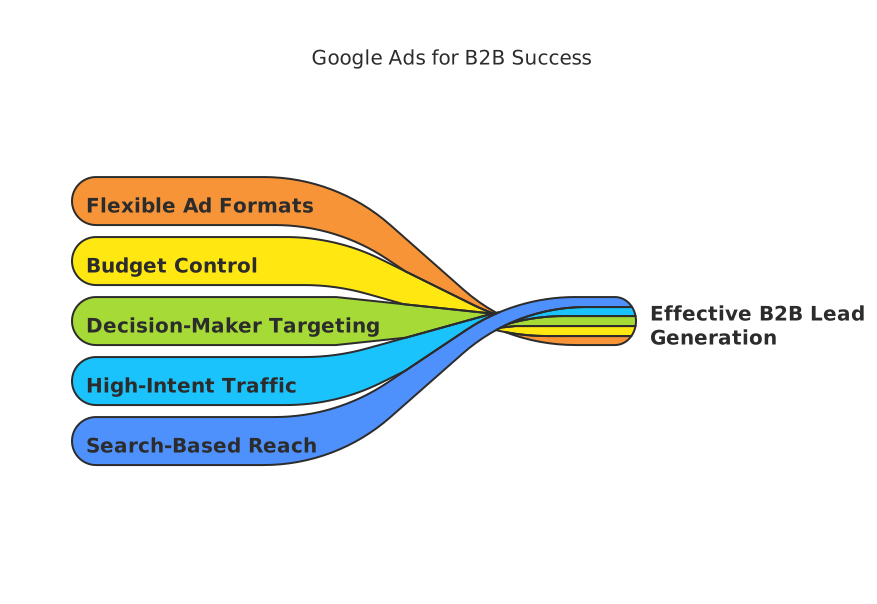
Effective B2B PPC lead generation uses precise targeting. Ads focus on keywords and phrases that real business buyers use. Some businesses target by industry, company size, or job title. This helps make sure ads reach the right people. The goal is not just more clicks, but the right clicks.
Qualifying leads is a key step in B2B PPC. Not every person who fills out a form is a good fit. Companies use questions or forms to find the most promising leads. This helps sales teams spend time on leads most likely to turn into customers. With careful targeting and qualification, B2B PPC campaigns help businesses grow by finding new leads who are ready to talk.
The B2B buyer journey and why PPC has to match it
Understanding the B2B Buyer Journey
The B2B buyer journey is not a simple path. It is often longer and more complex than B2C. B2B buyers research, compare, and consult with teams before making a decision. There are often many steps between first contact and the final purchase. Each step involves questions and information needs.
Buyers may start with a Google search to find solutions. They look at websites, read reviews, and check competitor offerings. At every stage, they are looking for answers that match their needs. This process can take weeks or even months. Businesses must guide buyers through each step to earn their trust.
Matching PPC Campaigns to Each Stage
PPC strategies must fit the buyer journey. Early in the journey, ads should focus on awareness. These ads explain what a business does and what problems it solves. Using keywords that match early-stage questions helps reach people who are just starting their research.
As buyers move further, ads can shift to more specific offers. These may include case studies, whitepapers, or free trials. This content helps answer deeper questions and build trust. It is key to use targeted keywords and ad copy for each stage. Doing so ensures that buyers always see helpful and relevant information.
Tools and Tactics for Better Lead Generation
Tracking is vital. Using call tracking, CRM systems, and conversion codes helps marketers see what works. It makes it easier to know which campaigns bring in strong leads. With this data, campaigns can improve over time.
Remarketing is a strong tool for B2B PPC. Many visitors do not convert on their first visit. Remarketing ads remind them to return. These ads can highlight next steps, like requesting a demo or downloading a guide. This keeps the business top of mind as buyers move through their journey.
Here is a simple table showing how PPC campaigns can fit each stage:
| Buyer Stage | PPC Focus | Example Offer |
|---|---|---|
| Awareness | General info | Blog post, video |
| Consideration | Detailed content | Case study, webinar |
| Decision | Strong CTA | Demo, free consult |
How to build a B2B PPC strategy around buyer intent
Understanding Buyer Intent in B2B PPC
Buyer intent is the reason someone is searching online. In B2B, it helps know what potential customers want. When a business searches, they might want to learn, compare, or buy. Each stage needs a different message. Knowing where buyers are helps build strong PPC campaigns. This can help get more leads and better results.
You can find buyer intent by checking keywords and the search terms people use. Some keywords show research, like “best accounting software.” Others show buying intent, like “buy accounting software now.” Use keyword tools to group words by intent. This lets you write ads that match what people want.
Mapping PPC Campaigns to the Buyer Journey
The B2B buyer journey has several stages. These are: awareness, consideration, and decision. Each stage needs its own PPC ads and landing pages. For example, use educational ads for the awareness stage. These can answer common questions. For the decision stage, show strong offers or demos. This makes it easier for leads to take action.
Here’s a table to show how to match keywords and ads to each stage:
| Stage | Example Keywords | Ad Focus |
|---|---|---|
| Awareness | “what is ERP” | Educate |
| Consideration | “compare ERP platforms” | Showcase benefits |
| Decision | “buy ERP now” | Offer/demo |
Use landing pages that fit the stage. For early stages, keep it simple. For later stages, ask for more info and share pricing or case studies.
Optimizing Campaigns for Better Lead Generation
Track actions closely to see what works. Use tools to see which ads bring good leads. Add call tracking and form tracking to get clear results. This helps you lower the cost-per-lead and improve your strategy.
Plan remarketing campaigns for people who visited but did not convert. Remind them about your business or offer. Keep your local listings accurate so leads can find and trust you. Building your B2B PPC strategy around buyer intent helps convert interest into leads. And it makes sure you spend ad money where it matters most.
The semantic keywords to use naturally across the page
Core PPC B2B Lead Generation Keywords
When writing about PPC B2B lead generation, use important keywords across your page to help search engines and readers. Here are some key terms:
- B2B lead generation
- PPC campaigns
- pay-per-click advertising
- lead generation strategy
- Google Ads
- search engine marketing
- qualified leads
- conversion tracking
- remarketing
- digital marketing agency
Using these keywords in sentences helps show the focus of your content. For example, talk about how a digital marketing agency can set up PPC campaigns for B2B lead generation. Mention how pay-per-click advertising brings qualified leads to businesses. Discuss the value of conversion tracking and remarketing in improving your lead generation strategy.
Supporting Semantic Keywords and Phrases
Alongside main keywords, use related terms naturally. These supporting keywords give more detail about your topic:
- account management
- ad spend
- call analytics
- custom landing pages
- cost-per-lead (CPL)
- dynamic number insertion
- CRM system
- keyword research
- sales funnel
- local listings
- marketing performance
- advertising platforms
You can mention how account management and advanced call analytics help improve PPC results. Talk about building custom landing pages that guide users through the sales funnel. Explain the importance of tracking cost-per-lead with tools like dynamic number insertion and CRM systems. Also, show how keyword research and keeping local listings updated help in reaching the right audience.
Example Table: Semantic Keyword Placement
| Page Section | Main Keywords | Supporting Keywords |
|---|---|---|
| Introduction | PPC B2B lead generation | digital marketing agency |
| Services | pay-per-click advertising | account management |
| Strategy | lead generation strategy | conversion tracking |
| Optimization Tips | Google Ads | custom landing pages |
| Results & Reporting | qualified leads | call analytics, CPL |
Using both main and supporting keywords across headings, paragraphs, and tables makes your page stronger. It gives helpful information for both readers and search engines.
Choosing the right PPC channels for B2B lead generation
Understanding Your Audience and Goals
Before picking PPC channels for B2B lead generation, it’s important to know your audience. Ask questions about who your buyers are and where they spend their time online. Are they on business sites, social networks, or searching with Google? For example, marketing managers and CEOs may use LinkedIn more than Facebook. Write down your goals, like booking demos or collecting emails. This helps you choose which channels work best for your business.
You should also think about the buying process. B2B sales often have a longer decision cycle. Your PPC channels should match how your buyers research and make choices. Google Ads are good for reaching people with clear intent. LinkedIn works well for targeting specific job titles. Make a simple table to compare channels:
| Channel | Strengths | Best Use |
|---|---|---|
| Google Ads | High intent, wide reach | Search-based lead capture |
| Job targeting, business focus | Targeting decision-makers | |
| Retargeting, brand awareness | Nurturing existing leads | |
| Bing Ads | Cheaper clicks, older audience | Secondary search platform |
Comparing Top PPC Channels
Google Ads is often the first choice for B2B PPC. It gives your brand instant visibility when users search for your keywords. You can target by search terms, geography, and device. This works well for capturing leads from people who know what they want. Google Ads also works with tracking tools, making it easier to measure results and cost-per-lead.
LinkedIn Ads let you reach users based on job title, company, and industry. This is useful if your product is for specific business roles. You can use sponsored posts, lead forms, or InMail to get leads. LinkedIn usually costs more per click, but you often get higher-quality leads.
Using a Mix of PPC Channels
Relying on one PPC channel may limit your results. Many B2B marketers use a mix. Use Google Ads to capture people searching now. Support this with LinkedIn Ads to target new prospects. Facebook is helpful for remarketing, reminding past visitors to take action. Bing Ads is a good addition if your audience is older or if you want to save on costs. Tracking and testing help you see which channels bring in the best leads for your budget.
Combining these channels gives you more touchpoints for your B2B leads. This increases the chances that your message reaches decision-makers at different stages in their buying journey.
Keyword research for B2B PPC campaigns
Understanding B2B Keyword Differences
Keyword research for B2B PPC campaigns is different from B2C. In B2B, the audience includes business owners, managers, and decision-makers. They often use specific industry terms when searching. Finding these terms helps reach the right people. For example, a business might search “enterprise data storage solutions” instead of just “data storage.”
B2B keywords tend to be longer and more detailed. They may include words like “solutions,” “services,” or industry-specific phrases. Focusing on these long-tail keywords means you target users further along in their buying journey. This helps bring in more qualified leads who are interested in what your business offers.
Steps for Effective Keyword Research
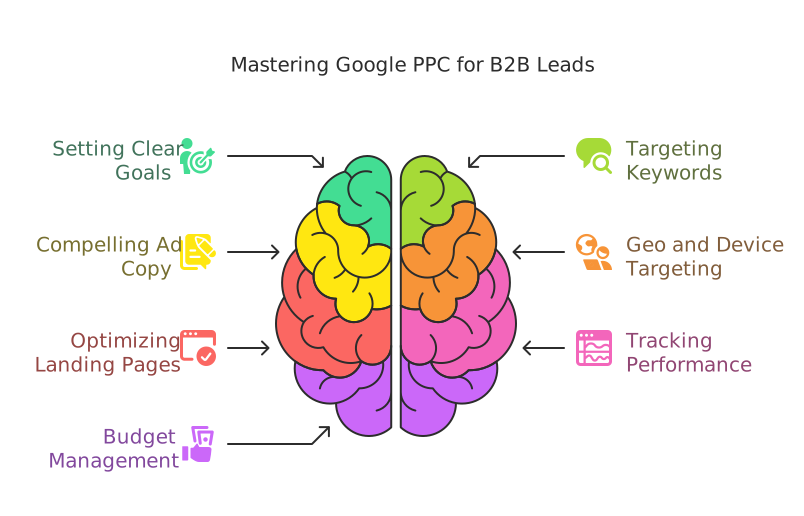
Start by brainstorming keyword ideas with your team. Think about the problems your product solves for other businesses. Write down words and phrases that your clients use. You can also check your website analytics for terms people already use to find you.
Next, use tools to expand your list. Google Keyword Planner is a great place to begin. It suggests related keywords and shows search volume. SEMrush and competitor analysis offer even deeper insights. Try to find keywords with enough search volume but not too much competition.
Here is a sample table to organize B2B keywords:
| Keyword | Search Volume | Competition |
|---|---|---|
| business payroll software | Medium | Medium |
| enterprise cloud solutions | Low | High |
| B2B digital marketing agency | High | High |
| industrial equipment leasing | Low | Low |
Tips for Choosing the Right Keywords
Choose keywords that match your services. Avoid broad terms that bring in unqualified leads. Use negative keywords to filter out searches that are not a good fit. For example, if you offer business software, exclude terms like “free” or “jobs.”
Test your keywords in small campaigns first. Track which ones drive leads and adjust your strategy. Focus on those that bring in the right kind of prospects. This helps keep your cost-per-lead low and your PPC campaigns efficient.
Building ad groups and campaign structure for lead quality
Setting Up Smart Campaign Structures
A good campaign structure sets the stage for high-quality B2B leads. Each campaign should focus on a big business goal, like getting demo requests or quote submissions. Keeping campaigns organized helps make tracking and adjustments easier. Use clear naming rules, such as “Industry – Product – Action,” for each campaign. This helps everyone understand the purpose without confusion.
Campaigns work best when you group similar keywords and ads together. For example, create separate campaigns for each product line or service. If you have different buyer types, like enterprises and small businesses, set up campaigns for each. This approach allows for clear reporting and easier optimization. You can quickly see what works and shift budgets to the best performers.
Building Strong Ad Groups
Ad groups are groups within campaigns that hold related keywords and ads. Each ad group should focus on a specific theme or keyword set. This keeps ads closely matched to what people are searching for. For instance, if you’re selling accounting software, one ad group can target “accounting software for enterprises” and another for “accounting software for startups.”
Keep ad groups tight and focused. Use 10-20 keywords per ad group, all closely related. This makes it easy to write ads that match the search intent. Relevant ads get more clicks and better leads. Also, by keeping ad groups small, you make it easier to see which keywords bring in the best leads.
Improving Lead Quality with Structure
A strong campaign and ad group structure helps control who sees your ads. You can target the right audience with the right messages. For example, if you want to reach buyers in certain industries, use keywords and ad copy that speak directly to them. This reduces wasted clicks from people who are not a good fit.
Use negative keywords in your ad groups to block searches that are not useful. For example, if you do not serve individuals, add words like “personal” or “free” as negatives. Tracking which ad groups and keywords bring in the most qualified leads will help you adjust your campaigns for even better results.
Writing PPC ad copy that attracts qualified leads
Knowing Your Audience
Writing good PPC ad copy starts with understanding the target audience. In B2B lead generation, it is important to know who makes buying decisions. This could be managers, directors, or small business owners. Each group looks for different things and uses different terms. When you know what your audience cares about, you can write copy that speaks directly to them.
Start by thinking about the problems your audience faces. Use words that match their industry and role. For example, an ad for business software should use terms familiar to IT managers. This makes your ads more relevant and increases the chance of attracting the right leads.
Key Elements of Effective Ad Copy
An effective PPC ad has a clear headline, benefits, and a strong call-to-action (CTA). The headline should quickly show what you offer. Use keywords your audience is searching for. For example, a headline like “Easy CRM for Small Businesses” tells users what to expect.
List the main benefits in the ad. Focus on how your product solves problems or saves time. Use bullet points or short phrases. Here is an example table for ad copy features:
| Ad Feature | Example |
|---|---|
| Headline | “Boost Your B2B Leads Now” |
| Benefit | “Save Hours Each Week” |
| CTA | “Book a Free Demo” |
The call-to-action needs to be direct and simple. Phrases like “Get a Quote,” “Request a Demo,” or “Contact Sales” tell users what to do next. A strong CTA leads to more clicks and better leads.
Making Ads Relevant and Specific
Specific ad copy filters out unqualified clicks. This saves your budget for real leads. Mention who your product or service is for. For example, use “For Marketing Teams” or “Built for Accountants” in the ad text. This attracts users who are more likely to need your solution.
Use numbers, results, or unique features when possible. Ads like “Cut Costs by 20%” or “Trusted by 500+ Companies” show value. These details help users trust your offer and act on it. Keeping ads relevant and specific helps drive more qualified leads to your business.
Landing pages that convert traffic into leads
What Makes a Landing Page Effective
A good landing page is clear, direct, and focused. It has one goal: turn visitors into leads. You want every part of the page to help users take action. Simple layouts work best because they do not distract people. The headline should match your ad. This tells visitors they are in the right place.
Strong landing pages show the benefits of your offer right away. Use short sentences and clear words. Add a short list of benefits or features. Use bullet points to break up large blocks of text. This helps visitors scan your page quickly. The page should load fast, and look good on phones and computers.
Key Elements of High-Converting Pages
Some parts of a landing page are very important for getting leads. Here is a quick list:
- Headline: Should be simple and match your ad.
- Subheadline: Gives a bit more detail or value.
- Image or video: Shows your product or service in action.
- Lead form: Asks for just the basics—like name, email, and company.
- Call-to-action (CTA): A clear button that tells people what to do.
Fewer form fields lead to more sign-ups. Only ask for what you need. A bright CTA button stands out. Words like “Get Started” or “Request a Demo” work well. Add trust signs such as logos of companies you work with or short reviews. This helps visitors feel safe sharing their info.
Best Practices for B2B Lead Generation
Make sure your landing page matches the needs of business users. Use simple, business-focused language. Show how your service helps their company save time, money, or work better. If possible, add a short table or chart that compares your service to others.
| Feature | Your Service | Others |
|---|---|---|
| Quick Setup | Yes | No |
| Custom Support | Yes | Limited |
| Flexible Pricing | Yes | No |
List the main ways you help businesses. Use bullets to highlight things like free trials, fast support, or custom solutions. Always test parts of your landing page. Change the headline, image, or CTA to see what works best. This is the best way to keep getting more leads from your PPC campaign.
Forms, qualification, and lead scoring
Building Effective Lead Forms
Lead forms are the first step in B2B lead generation with PPC. Good forms ask for the right amount of information. Too many fields can scare people away. Keep it simple. Only ask for the details you need to start the conversation. Common fields include name, company, email, and phone number. Some businesses add a job title or industry field. This helps with later qualification.
To improve lead quality, use clear language in your forms. Tell users what will happen next. For example, you can say, “A team member will contact you soon.” Use strong calls-to-action, like “Get Your Free Demo” or “Request Pricing.” Make sure your forms work well on mobile devices. Test different versions to see what gets the most responses.
Lead Qualification: Finding the Right Fit
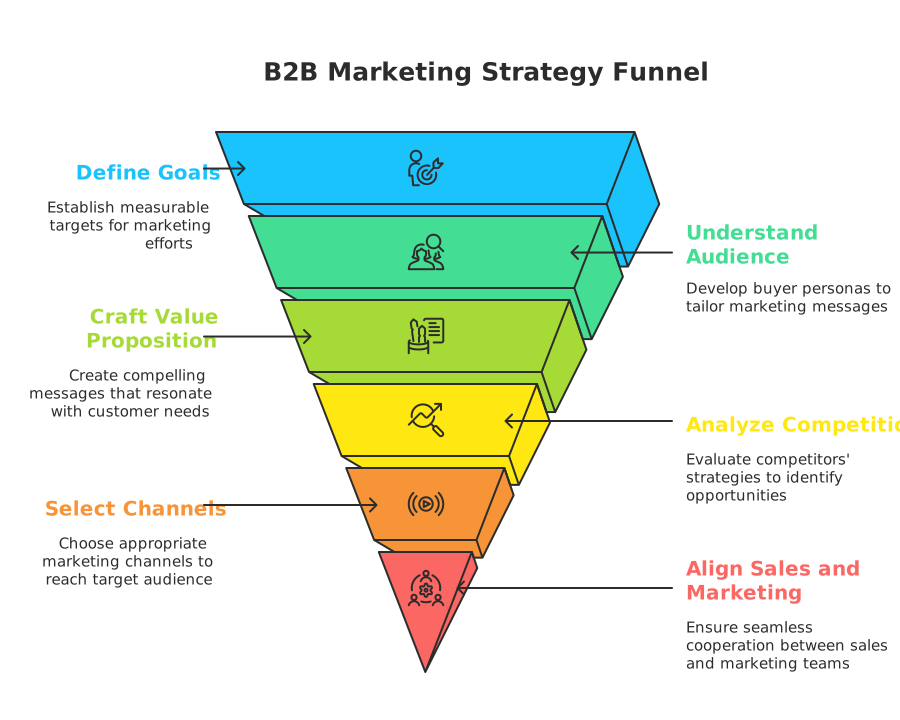
Not all leads are equal. B2B PPC campaigns can bring in many types of contacts. Lead qualification helps sort these contacts. Qualification means checking if a lead matches your ideal customer profile. This can save time for your sales team.
A simple way to qualify leads is by using the information from your forms. For example, ask about company size or job role. Leads from companies that fit your target industry or size are more valuable. You can also check if the person has buying power, like being a manager or decision-maker. Use tools like call analytics and tracking codes to see which leads are most active.
Lead Scoring: Ranking Your Leads
Lead scoring is a system to rank your leads. Each lead gets points based on things like company size, job title, or website actions. A lead from a big company gets more points than one from a small company. Someone who filled out a demo request may score higher than someone who just downloaded a guide.
Here’s a simple lead scoring example:
| Lead Action | Points |
|---|---|
| Requests a demo | 10 |
| Downloads a guide | 5 |
| Company over 100 | 7 |
| Decision-maker | 8 |
Leads with higher scores are ready for sales follow-up. Lower scores may need more nurturing. Use a CRM system or marketing tools to track and update scores. This helps your team focus on the best leads from your PPC B2B campaigns.
Tracking conversions and proving pipeline impact
Why Tracking Conversions Matters
Tracking conversions is key to understanding how PPC campaigns drive B2B leads. It shows which ads and keywords bring in real business opportunities. Without tracking, it is hard to tell which parts of your strategy work. You could spend a lot on ads and not know if they help your sales team.
Conversions can be many things, such as a form fill, a demo request, or even a phone call. By labeling these actions as conversions, you can see which steps matter most. This helps you focus your budget on areas with the best results. It also lets you spot trends in what customers want and how they interact with your site.
Tools and Methods for Conversion Tracking
There are many ways to track conversions in PPC. Most businesses use tools like Google Ads and Google Analytics. These platforms let you set up conversion actions, such as form submissions or downloads. They also help you measure cost-per-lead and return on investment.
Dynamic number insertion (DNI) is a great tool for tracking which keywords drive phone calls. You can also use UTM parameters to track leads from different campaigns. These tools make it easy to see where each lead comes from and how they move through your funnel.
Here’s a simple table showing types of conversions and tracking tools:
| Conversion Type | Tracking Tool |
|---|---|
| Form Submission | Google Analytics |
| Demo Request | Google Ads |
| Phone Call | DNI, Call Tracking |
| Whitepaper Download | UTM, Analytics |
Proving Pipeline Impact
Measuring pipeline impact means showing how PPC drives real sales opportunities. You need to connect leads from your ads to your sales pipeline. This often means linking PPC platforms with your CRM system. When you do this, you can see which leads turn into meetings, demos, or closed deals.
Track key metrics like cost-per-lead, lead quality, and sales conversion rates. Create reports that map ad clicks to actual sales outcomes. This way, you prove the value of PPC and make smarter decisions for future campaigns. Your team can then focus on the strategies that bring the best return.
Retargeting and nurture for longer B2B buying cycles
Why Retargeting Matters in B2B PPC
B2B sales cycles are long. Most visitors need time before they buy. Often, they visit many sites before making a choice. They might leave your site without even filling a lead form. Retargeting brings these visitors back. It places your ads in front of people who have already shown interest. This keeps your brand in their minds even if they are not ready to buy yet.
Retargeting works by showing your ads across different websites and platforms. You can remind visitors about your offer or product. This increases the chance they will return and become a lead. It helps you reach decision-makers at different stages. For B2B, this is key. Buying choices are big and need more touchpoints.
Nurturing Leads With PPC Remarketing
PPC remarketing helps you nurture leads over time. Not every lead becomes a customer after the first click. Nurturing means keeping in touch until they are ready. You can show ads with special content for different steps in the buying journey. For example, start with an ad about your solutions. Later, move to ads about product demos or case studies.
Use dynamic ads to match their past actions. If they visited your pricing page, show them an ad with a demo offer. If they downloaded a guide, follow up with a webinar invite. This helps push leads down the sales funnel. It also makes your ads feel more personal and useful to each visitor.
Best Practices for Retargeting and Lead Nurture
Here are some tips for strong B2B retargeting and nurture:
- Segment your audience by their actions (site visits, downloads, demo requests).
- Use clear calls-to-action like “Book a Demo” or “See a Case Study.”
- Change your messaging as leads move through the funnel.
- Track every step with analytics. Watch which ads get the most clicks or leads.
- Test different ad formats, like video or carousel ads. Find what works for your audience.
Using these steps will help you stay top-of-mind for buyers. It keeps your business in front of key decision-makers during the long B2B sales process.