

Introduction
Why Cut Your Google Ads Spend?
Running Google Ads can help you reach new customers. But costs can add up quickly if you are not careful. Many people want to know ways to cut your Google Ads spend while still getting good results. If you follow Google Ads advice from experts, you can save money. This post will show you how to make your Google Ads more effective without losing leads. People often search for ways to cut your Google Ads spend, and these tips will help.
Not all methods work for every business. It is important to use google search ads best practices. You can avoid wasted money by following proven steps. Many wonder how to avoid ads on google search, but for advertisers, it is about showing ads only to the right people. With these 10 tips for google ads, you will learn how to avoid ads in google search result that do not bring value.
The Value of Effective Google Ads
Google Ads can get your business in front of people looking for what you offer. If you do not manage your spending, you could pay for clicks that do not turn into leads. By following the right ways to cut your Google Ads spend, you keep your ads effective and costs low. Good google ads advice can make a big difference in your results.
Many guides will tell you how to avoid ads on google search as a user. But if you advertise, you want your message to reach the right searchers. Using google search ads best practices makes your ads work better. The right 10 tips for google ads can help you avoid spending money on people who are not interested.
What to Expect in This Guide
This post gives 10 proven ways to cut your Google Ads spend without losing leads. Each tip is based on what works for many advertisers. You will learn both simple steps and advanced tactics.
You will get clear examples and easy-to-follow advice. Whether you are new to Google Ads or want to make your google ads more effective, this guide will help. With these 10 tips for google ads, you can save money and get more from your ad budget.
1. Use Negative Keywords
Why Negative Keywords Matter
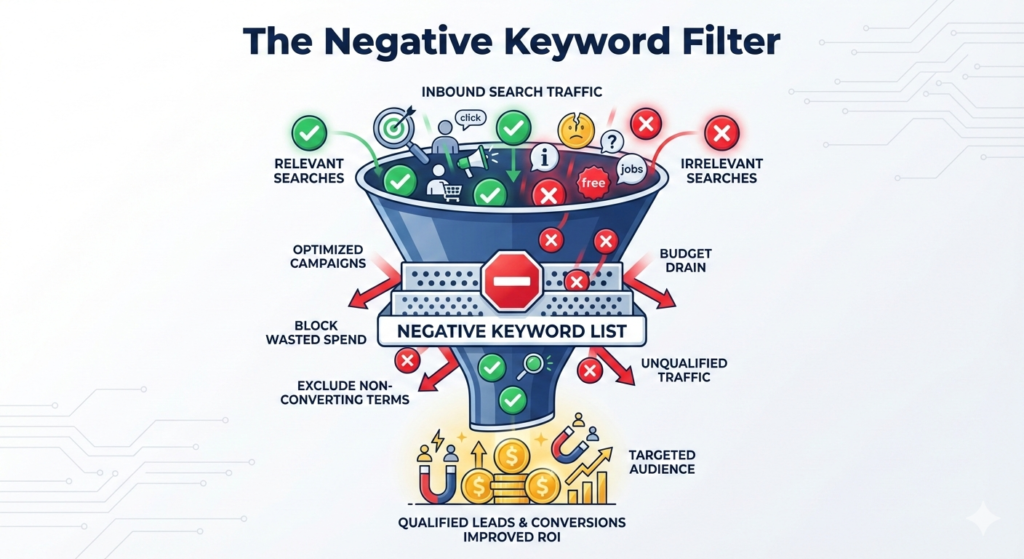
Negative keywords are words or phrases you tell Google not to show your ads for. By using these, you make your google ads more effective and avoid wasting money. Google ads advice often starts with this trick because it is simple and powerful. When you use negative keywords, your ad does not show for searches that have nothing to do with your business.
For example, if you sell running shoes, you do not want your ad to appear for searches like “kids running games” or “free running plans.” These clicks will not turn into sales. This is one of the best ways to cut your Google Ads spend without losing leads. You avoid unneeded clicks, so your money goes to people who want what you offer.
How to Find and Add Negative Keywords
There are several ways to find negative keywords. First, look at the search terms report in your Google Ads account. This report shows what people type when they see your ads. If you spot words that do not match your business, add them as negative keywords. This helps you follow google search ads best practices and keep your budget safe.
Second, think about common words related to your product that might not fit your offer. Make a list of these words. For example, add words like “cheap,” “free,” or “jobs” if you do not want to show ads to bargain hunters or job seekers. Using this method is one of the 10 tips for google ads that saves you money. It shows you how to avoid ads on google search that do not get you leads.
Tips for Ongoing Success
Keep checking and updating your negative keywords list. New search terms show up all the time. Regular updates are one of the most useful ways to cut your Google Ads spend. It also helps you learn how to avoid ads in google search result that waste your budget.
Train your team to review negative keywords each week. Make it part of your process. When you use negative keywords well, your google ads advice gets easier to follow. Your budget works harder, and your leads grow stronger.
2. Refine Keyword Match Types
What Are Keyword Match Types?
Keyword match types control which searches trigger your Google search ads. Choosing the right match type is one of the best ways to cut your Google Ads spend and make your Google Ads more effective. There are three main types: Broad Match, Phrase Match, and Exact Match. Each one controls how closely a search must match your keyword for your ad to show.
Google search ads best practices suggest using more precise match types. With broad match, almost any search can trigger your ad, which can waste budget. Exact match only triggers your ad for very specific searches, so you pay only for clicks you really want. Understanding these types is key to how to avoid ads on Google search that don’t bring in good leads.
How to Refine Your Match Types
Start by looking at your search terms report. This report shows the actual searches that triggered your ads and helps you spot wasted spend. If you see that broad match is allowing too many irrelevant clicks, switch keywords to phrase or exact match. This is one of the 10 tips for Google Ads that can save money without losing leads.
You can also use negative keywords. Add negative keywords to avoid showing ads for searches that don’t fit your business. This is how to avoid ads in Google search result pages that won’t help you. Negative keywords work with all match types and make your Google Ads advice even stronger.
Comparing Results for Each Match Type
Using different match types changes your results. Here is a simple table to see how each type compares:
| Match Type | Reach | Cost | Lead Quality |
|---|---|---|---|
| Broad Match | Highest | Highest | Low |
| Phrase | Medium | Medium | Medium |
| Exact | Lowest | Lowest | Highest |
Choosing the right mix ensures you spend less on useless clicks. You get better leads for your money by adjusting match types. This is one of the top ways to cut your Google Ads spend while keeping your leads strong.
3. Optimize Ad Scheduling
Why Ad Scheduling Matters for Your Budget
Ad scheduling is one of the best ways to cut your Google Ads spend. If you run your ads all day and night, your budget can get used up fast. Not every hour brings the same number of leads. By setting your ads to show only during peak hours, you make your Google Ads more effective. Following google search ads best practices helps lower wasted spend. Use the 10 tips for Google Ads to find the best times for high-quality traffic.
Some businesses notice more leads in the afternoon or on weekdays. You can check your account to see when most of your clicks and leads happen. Adjust your schedule to match those hours. This is a strong way to avoid ads on Google search that don’t work for you. It is smart google ads advice that saves money and boosts your results.
How to Set Up Ad Scheduling in Google Ads
Go to your campaign settings in your Google Ads account. Find the ad schedule section. Here, you can choose which days and hours your ads will show. For example, you may want your ads to appear from 8 a.m. to 6 p.m., Monday through Friday. This prevents your ads from running late at night when fewer people are searching.
Making these changes is a key part of google search ads best practices. Set up a custom schedule based on real data from your campaigns. If your business gets leads on weekends, include those days. If not, focus only on weekdays. This is an easy way to avoid ads in Google search result times that don’t help your business.
Tips for Testing and Adjusting Your Schedule
Review your results often. Track which hours and days bring the most leads at the lowest cost. Make small changes to your schedule and test what works best. Over time, you will see which times are the most effective for getting good leads.
If you notice certain hours are wasting spend, remove them from your schedule. Keeping only the best hours is one of the top ways to cut your Google Ads spend. It’s simple, but it can make a big difference in how far your budget goes. Use these steps to make your Google Ads more effective and get the most out of every dollar.
4. Target the Right Locations
Why Location Targeting Matters
One key way to cut your Google Ads spend is by focusing on locations that matter most. If you show ads everywhere, you waste money on people unlikely to become leads. Google ads advice often includes narrowing your reach. Using careful targeting makes your Google Ads more effective and efficient.
For example, a local business only needs to reach people nearby. If your ads show in faraway cities, your budget disappears fast. Google search ads best practices suggest you always double-check your location settings. This step is one of the top 10 tips for Google Ads.
How to Set Up Location Targeting
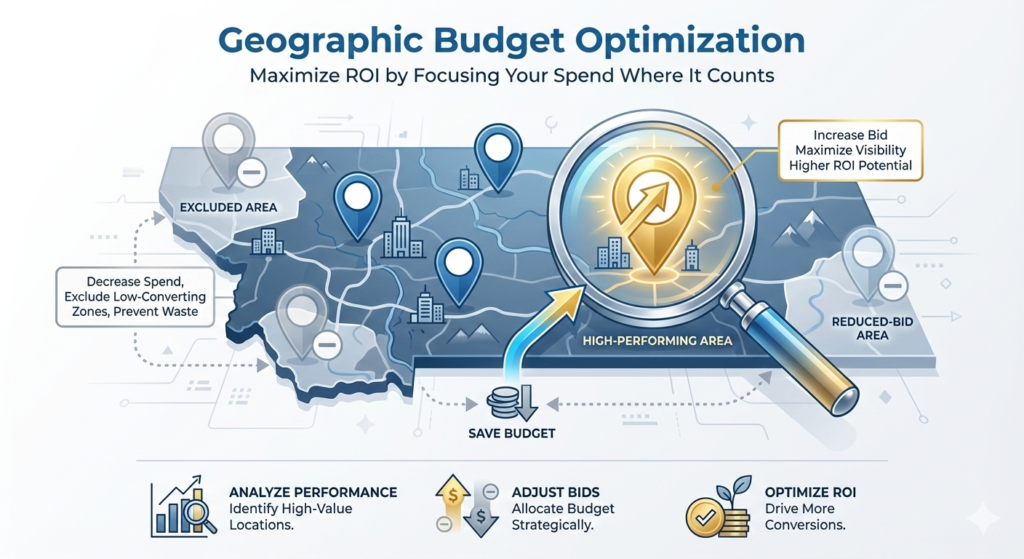
Start by thinking about where your best customers live. In Google Ads, you can pick countries, states, or even zip codes. You may also want to exclude places that never bring leads. This is a simple way to avoid ads in Google search results seen by people in the wrong areas.
To set this up, go to your campaign settings. Choose “Locations” and add places where your customers are. You can use the “Exclude” option to skip places that do not bring value. With a few clicks, you change where your ads show up—and save money at the same time.
Tips for Smarter Location Choices
Here are some ways to cut your Google Ads spend using location targeting:
- Focus on regions where you already get sales or leads.
- Exclude places with few customers or high costs.
- Use radius targeting around your office or store.
- Check reports to see where your clicks and leads come from.
Making smart choices about where your ads appear is a proven way to make your Google Ads more effective. When you use location targeting, you reach people ready to connect with your business. This action helps you avoid ads on Google search that do not lead to results.
Location targeting is simple to set up and can make a big difference. These steps belong on any list of ways to cut your Google Ads spend while keeping lead quality high.
5. Leverage Audience Targeting
What Is Audience Targeting in Google Ads?
Audience targeting helps make your Google Ads more effective. It is one of the best ways to cut your Google Ads spend. With audience targeting, you choose who can see your ads. This means your ads reach people most likely to become leads. Google Ads advice often highlights this step because it increases ad relevance. Using google search ads best practices, you can avoid showing ads to people who are not interested. This is also part of the 10 tips for google ads that experts suggest.
When you show your ads to the right people, you waste less money. This makes it easier to keep costs low without losing good prospects. Learning how to avoid ads on google search for the wrong audience helps your budget work harder. Audience targeting is a smart move for any campaign.
Types of Audiences You Can Target
There are several audience groups in Google Ads. You can target based on interests, age, location, and more. For example, if you sell sports shoes, you can target people who like sports. You can also target people who have visited your website. This is called remarketing and is one of the best ways to cut your Google Ads spend.
Google Ads lets you build custom audiences. You can group people by what they search for. You can even use data from your own website. These tools help you avoid showing ads to people who will not convert. Using these settings, you will learn how to avoid ads in google search result that do not bring leads.
Tips for Using Audience Targeting to Save Money
- Start by testing different audience groups.
- Exclude groups who are less likely to buy from you.
- Use remarketing to reach people who visited your site before.
- Adjust bids for high-value audiences to cut costs.
- Look at reports to see which audiences give the best results.
By using these tips, you will follow google search ads best practices and make your ads more effective. Audience targeting is a smart way to manage your Google Ads spend while keeping your leads strong.
6. Regularly Review Search Terms
Why Search Term Reviews Matter
Checking search terms helps you see how people find your ads. This is one of the best ways to cut your Google Ads spend. Sometimes, your ads show for searches that do not match your main goals. By spotting these, you can stop wasting money on clicks that will never bring leads. Experts always include search term reviews when giving google ads advice to new and experienced users alike.
Making your Google Ads more effective starts with understanding what your customers type into Google. If you notice keywords that do not relate to your business, you can add them as negative keywords. This is a key part of google search ads best practices. It helps you show your ads only for searches that matter.
How to Review Search Terms Step by Step
First, go to your Google Ads dashboard. Find the section called “Search Terms.” Here, you will see a list of words and phrases that triggered your ads. Look for terms that may be costing you money but are not bringing in good leads. You might spot searches about topics that are close to your product, but not quite right.
Next, mark these bad or off-topic terms as negative keywords. This is a core tip in the list of 10 tips for google ads. Adding negative keywords teaches Google to avoid showing your ads for these phrases. This is a good answer to the question of how to avoid ads on google search. It is also useful if you want to know how to avoid ads in google search result for unrelated topics.
Benefits of Ongoing Search Term Reviews
Reviewing search terms often helps you trim your ad budget and get better leads. You will see fewer wasted clicks and more visits from people who want what you offer. If you want more ways to cut your Google Ads spend, regular reviews are a must.
This simple routine can help you spot trends, like new words that real customers use when searching. These insights let you update your ad strategy quickly. You can keep your account focused on the best keywords and stay ahead of changes in search habits.
8. Test Ad Copy & Creative
Why Testing Ad Copy Matters
Testing ad copy is one of the best ways to cut your Google Ads spend. It lets you see what messages get the most clicks and leads. If you only use one message, you might miss out on a better way to talk to your customers. Good testing means you show your ads to more likely buyers, so you waste less money.
Google ads advice from experts says you should always try new headlines and descriptions. This is one of the key 10 tips for Google Ads that can help make your Google Ads more effective. When you test, you learn which words and ideas work best for your audience.
How to Test Your Ads
Start by writing a few different ad versions for the same product or service. Change up the headline, description, or call to action in each one. For example, use action words in one, and questions in another. Google search ads best practices say to test three or more ad copies at a time.
Here is a simple table to keep track of ad testing:
| Ad Version | Headline Example | Clicks | Leads |
|---|---|---|---|
| A | Buy Shoes Today | 120 | 15 |
| B | Find Best Shoes Deals | 105 | 20 |
| C | Which Shoes Fit You? | 98 | 12 |
After a week, check which ad gets the best results. Pause the ones that do not work as well. This is how to avoid ads on Google search that waste your money. It is also a way to avoid ads in Google search result that do not bring leads.
Make Testing a Habit
Keep testing new ideas often. Your audience changes, and what worked last month may not work now. Use what you learn to improve your next ads. Testing is not something you do once. It is a regular part of google search ads best practices.
Trying new ad copy is a proven step among the 10 tips for Google Ads. It helps you spend less but get more. The best ways to cut your Google Ads spend include being open to change and always looking for better results.
7. Improve Quality Score
What is Quality Score and Why It Matters
Quality Score is a number Google gives your ads. It shows how relevant your ads and keywords are. A higher score means better ads. It also means you pay less for each click. Improving Quality Score is one of the best ways to cut your Google Ads spend. Good scores make your Google Ads more effective. This is one of the top google search ads best practices.
If your Quality Score is low, you may pay more for the same spot. Google uses Quality Score to rank ads on search results. Good scores help your ad show higher, even if your bid is lower. This helps you get more leads without wasting money. When looking for ways to cut your Google Ads spend, focus on Quality Score.
How to Improve Your Quality Score
Focus on three main things: ad relevance, click-through rate, and landing page experience. Make sure your ad text matches your keywords. This is a key part of google ads advice. Use the main keywords in your ad copy. Use words that people search for. Keep your message clear and direct. Simple ads work best.
Increase your click-through rate by writing strong ads. Test different headlines and descriptions. Use numbers or special deals if you can. Make calls to action clear. If people click your ad, your score goes up. Google likes ads that get more clicks. This is a great tip from the 10 tips for google ads list.
Check your landing page, too. The page should match your ad and keywords. Make sure it loads fast and looks good on phones. Use headings and bullet points. Help people find what they want right away. This helps you avoid ads on google search that are wasteful. It also helps you avoid ads in google search result that do not work.
Tools and Tips to Track Quality Score
Google Ads gives you tools to check Quality Score. Look at the Quality Score column in your account. Check scores for each keyword. Fix the low ones first. Google will tell you if the problem is with your ad, keywords, or landing page.
Try using ad extensions to improve your score. Add phone numbers, locations, or extra links. These help people learn more. Use the tools Google gives you to make your google ads more effective. Always look for ways to cut your Google Ads spend. Track changes to see what works. Use these steps as part of your google search ads best practices.
9. Optimize Landing Pages
Why Landing Pages Matter for Google Ads
Landing pages are where visitors go after clicking your Google Ads. If your page isn’t clear or helpful, people leave fast. This means your ad budget can go to waste. To cut your Google Ads spend, you need landing pages that turn clicks into leads. This is one of the best ways to cut your Google Ads spend and make your Google Ads more effective. Following google search ads best practices starts with making sure your landing page matches your ad’s message. If someone clicks an ad for shoes, show them shoes, not hats.
A good landing page also loads quickly and is easy to use. Google Ads advice often recommends testing your pages on phones and computers. Slow pages lose leads. Use clear headlines, simple forms, and strong calls to action. These tips are part of the 10 tips for Google Ads you should follow.
Steps to Improve Your Landing Pages
Here is a table of easy ways to make your landing pages better:
| Change | Why It Helps |
|---|---|
| Match ad and page message | Keeps visitors interested |
| Use simple, bold headlines | Tells visitors what to do |
| Remove clutter | Helps people focus on your offer |
| Add trust signals | Shows your business is reliable |
| Fast loading time | Stops people from leaving too soon |
| Mobile-friendly design | Works well for phone and tablet users |
| Clear call-to-action (CTA) | Tells people the next step |
Improving these items can boost your quality score with Google. That means you might pay less for ads while getting more leads. This is a smart way to avoid ads on Google search that don’t work for your business. It also shows how to avoid ads in Google search result that waste your budget.
Testing and Tracking Landing Page Results
You should always track what happens after someone clicks your ad. Use free tools like Google Analytics or Google Ads reports. Check which pages get the most leads. Make small changes and see if things get better. This is a proven way to cut your Google Ads spend without losing good leads.
Try A/B testing. This means you show two versions of your page to see which one gets more leads. If one page works better, use it for all your ads. Keep testing new ideas to keep improving. This helps you find the best ways to cut your Google Ads spend and follow google search ads best practices every time you run a campaign.
10. Monitor & Adjust Bids
Why Monitoring Bids Matters
Keeping an eye on your bids is one of the smartest ways to cut your Google Ads spend. Many people set a bid and forget it, but this can waste money. Bid amounts can change the cost per click and how often ads show. If you want to make your Google Ads more effective, checking your bids often is key. Google ads advice often mentions the importance of not overspending on low-performing keywords. By paying attention, you can spot trends and react quickly to save money.
Lowering bids on keywords that bring few leads can help. If you see a keyword costing a lot but not giving results, try lowering your bid. This is one of the 10 tips for Google Ads that can increase efficiency. Use search terms and reports to see which keywords work best. Cut spend on poor performers and focus on high-return keywords instead.
Tools and Tips for Successful Bid Adjustments
Google offers tools that can help monitor and adjust bids. Automated rules and bid strategies use data to make changes for you. These tools suggest how to adjust bids on busy days or for popular devices. Following google search ads best practices means using the right bid strategy for your goals. Some choose manual bidding, while others use smart bidding for efficiency. Make sure to check bid adjustments after changes to measure impact.
Weekly or bi-weekly checks are a good habit. Use reports and charts to spot patterns. If you see a drop in leads or a rise in costs, review bids fast. This habit is a simple way to avoid ads on Google search costing more than they should. It also helps avoid ads in Google search results that may not support your goals.
Making Bid Adjustments Work for You
Set a schedule to review your bids, such as every Monday. Write down what changes you make and what happens after. This simple tracking can show what works for your account. It’s one of the most reliable ways to cut your Google Ads spend. If you follow these steps, you will get more out of every dollar you spend.
Try adjusting bids for devices, locations, and times of day. If you notice higher lead costs on mobile, lower bids there. Testing and tracking bid changes make your Google Ads more effective over time. These actions help you fine-tune spend and improve results, following top google ads advice.
Conclusion
Key Takeaways: Ways to Cut Your Google Ads Spend
Using smart ways to cut your Google Ads spend keeps costs low. You can make your Google Ads more effective by following simple steps. Review your keywords to avoid wasting money. Use google search ads best practices to reach the best audience. Negative keywords help you avoid ads in Google search result that do not get leads. Adjust bids so you do not overpay. These 10 tips for Google Ads help you spend less but get the same or more results.
Strong ad copy is important. Match your ads to what people search for. This brings more clicks from people who want what you offer. Test your ads often. Change things that do not work. This keeps your cost per click lower. Good google ads advice can help you avoid ads on Google search that no one clicks. This saves money and gets more leads.
Action Steps for Better Results
To make your Google Ads more effective, use each tip from the list. Track results and see which changes help the most. Check your reports each week. Pause ads that cost a lot but do not bring leads. Use google search ads best practices, like using ad extensions. These show more information and get more clicks without extra cost.
Set a clear budget. Only spend money on what works. Using these ways to cut your Google Ads spend keeps your business strong. If you keep testing and improving, your ads will work even better. You will avoid ads on Google search that waste money. Use these 10 tips for Google Ads every month to keep getting more leads for less cost.
Staying Ahead with Google Ads Advice
The world of online ads changes fast. Follow the latest google ads advice to stay ahead of others. Learn new features and try them. Keeping up with changes makes your ads better. If you know how to avoid ads in Google search result that do not work, you will save your budget. Use these methods often. Review your plan and adjust when you need to.
Cutting your Google Ads spend does not mean getting fewer leads. It means being smart with your ads. Use these ways to cut your Google Ads spend to grow your business. Good habits and regular checks help you stay on top of your Google ads game.
FAQ
Why should I consider cutting my Google Ads spend?
Running Google Ads helps reach new customers, but costs can add up quickly if not managed well. Cutting spend wisely allows you to save money while still getting good leads by following expert advice and best practices.
What are negative keywords and why do they matter?
Negative keywords are terms you exclude so your ads don’t appear for irrelevant searches. They prevent wasted clicks and help focus your budget on people interested in your product or service.
How can I find and add negative keywords?
Use the search terms report in your Google Ads account to identify irrelevant searches and add those terms as negative keywords. Also, consider common unrelated words related to your product and add those to your negative keyword list.
What are keyword match types and how do they impact my ad spend?
Keyword match types (Broad, Phrase, Exact) control which searches trigger your ads. More precise match types like Exact reduce wasted spend by showing ads only to highly relevant searches, improving lead quality and lowering costs.
How do I refine my keyword match types?
Review your search terms report for irrelevant clicks caused by broad match keywords and switch those keywords to phrase or exact match. Combine this with negative keywords to further reduce wasted spend.
Why is ad scheduling important for my budget?
Ad scheduling lets you run ads during peak hours when leads are more likely, reducing wasted spend during less effective times. This helps make your ad budget more efficient.
How do I set up ad scheduling in Google Ads?
Go to campaign settings, find the ad schedule section, and select specific days and hours to run your ads based on when your target audience is most active and leads are generated.
What is location targeting and why should I use it?
Location targeting focuses your ads on geographic areas where your best customers are, preventing budget waste on users outside your service area or regions that don’t bring leads.
How do I set up location targeting?
In campaign settings, choose “Locations” to include areas where your customers are and exclude locations that don’t bring value. You can target by country, state, city, or zip code.
What is audience targeting in Google Ads?
Audience targeting lets you show ads to specific groups of people based on demographics, interests, or behavior, increasing relevance and reducing spend on uninterested users.
What types of audiences can I target?
You can target by interests, age, location, or website visitors (remarketing). You can also create custom audiences based on user behavior and searches.
Why is reviewing search terms important?
Reviewing search terms helps identify irrelevant keywords that trigger your ads, enabling you to add negative keywords and avoid wasting money on unproductive clicks.
How do I review search terms effectively?
Access the “Search Terms” report in Google Ads, look for irrelevant or off-topic queries, and mark them as negative keywords to prevent your ads from showing for those searches.
Why should I test ad copy regularly?
Testing different ad versions helps identify which messages get more clicks and leads, allowing you to optimize your ads and reduce wasted spend.
How do I test my ads?
Create multiple ad versions with different headlines and descriptions, run them simultaneously, then monitor performance and pause underperforming ads.
What is Quality Score and why is it important?
Quality Score measures how relevant your ads and keywords are. Higher scores lower your cost per click and improve ad placement, helping you cut ad spend while getting better results.
How can I improve my Quality Score?
Improve ad relevance by matching ad text to keywords, increase click-through rates with strong headlines, and enhance landing page experience by ensuring fast load times and mobile-friendliness.
Why do landing pages matter for Google Ads?
Landing pages convert clicks into leads. A clear, relevant, fast-loading, and mobile-friendly landing page that matches your ad message helps reduce bounce rates and wasted ad spend.
How can I improve my landing pages?
Match the landing page message with your ad, use bold headlines, remove clutter, add trust signals, ensure fast loading times, make it mobile-friendly, and have a clear call-to-action.
Why is monitoring bids crucial for managing ad spend?
Regularly reviewing and adjusting bids ensures you don’t overpay for low-performing keywords and helps allocate budget efficiently to high-performing keywords.
What tools can help with bid adjustments?
Google Ads offers automated rules and smart bidding strategies that adjust bids based on data like device, location, and time, helping optimize your spend.
What are some key takeaways for cutting Google Ads spend?
Use negative keywords, refine match types, schedule ads smartly, target locations and audiences carefully, test ad copy, improve Quality Score and landing pages, monitor bids, and regularly review search terms.
How can I stay ahead with Google Ads advice?
Keep up with the latest Google Ads features and best practices, regularly review and adjust your campaigns, and maintain smart habits like ongoing testing and monitoring to maximize your ad budget efficiency.